Kebab — Ottoman cooks — from Anatolia
Anatolia food Editor’s pick

Kebab

Forged by Fire, Perfected by History

Maker
Ottoman cooks
Made since
Ancient, formalized under the Ottoman Empire
Region
Middle East / Anatolia

Grilling meat on skewers over an open fire is an ancient practice across the Middle East, but it was under the Ottoman Empire that kebab cooking became a refined culinary tradition with distinct regional styles.

Where It Comes From?

Kebab traces its roots to the arid plateaus and fertile valleys of the Middle East, specifically modern-day Turkey, Iran, and the Levant. Born out of pastoral nomadic traditions, herders skewered freshly butchered cuts of lamb over open campfires using swords and metal skewers. This minimalist method of cooking over dry embers maximized flavor while conserving scarce fuel resources across West Asia.

Ancient & Etymological Roots?

Linguistically, the name stems from the ancient Akkadian kabābu (meaning “to char or burn”) and Aramaic kabbābā, appearing in 10th-century medieval Arabic and Persian culinary manuscripts like Kitab al-Tabikh. Archaeologically, Bronze Age excavations in Santorini (Greece) and across ancient Mesopotamia show fired-clay skewer rests dating back to 1700 BCE, proving skewered grilling existed long before modern regional identities formed.
Quick facts

  • The rotating spit style of döner kebab was developed in 19th-century Ottoman Turkey.

Specifications

Primary ProteinsLamb (traditional), beef, chicken, or minced meat blends.
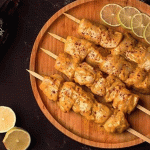
Preparation MethodMarinated in spices/acid (yogurt, lemon, or vinegar), then skewered and grilled over charcoal or wood fire.
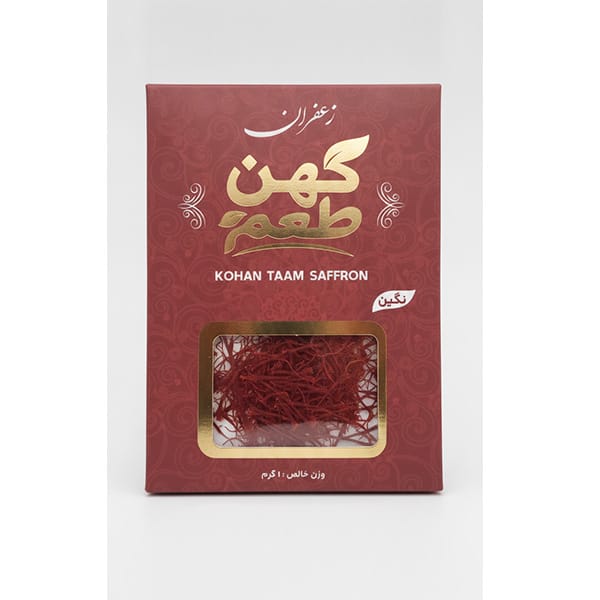
Key SpicesSumac, saffron, cumin, turmeric, and black pepper.
Serving StyleTraditionally served with warm flatbread (lavash or pita), grilled vegetables, and raw onions.

How it got here

  1. 1000 BCE Early evidence of small-piece meat cooking over open fires in Eastern Mediterranean archeological sites.
  2. 10th Century CE Explicit mention of kabāb appears in Persian culinary manuscripts, linking it to military rations.
  3. 14th–19th Century The Ottoman Empire refines the art, leading to distinct regional variations like Döner and Iskender.
  4. 20th Century–Present Global culinary expansion, solidifying the kebab as one of the world’s most recognizable and adapted street foods.

Frequently asked

What is the origin of the word “Kebab”?

It derives from the Aramaic kabāb, meaning to burn or roast.

Why are kebabs usually skewered?

Skewering allows for even heat distribution and quick, efficient cooking over an open fire—a technique perfected by traveling nomads and soldiers.

References

  1. Other
    Turkey, Iran, Lebanon Turkey, Iran, Lebanon

Further reading

Reviews

No reviews yet — be the first to add one.

Write a review
Your rating

Questions & answers

No questions yet. Ask the first one.

Ask a question