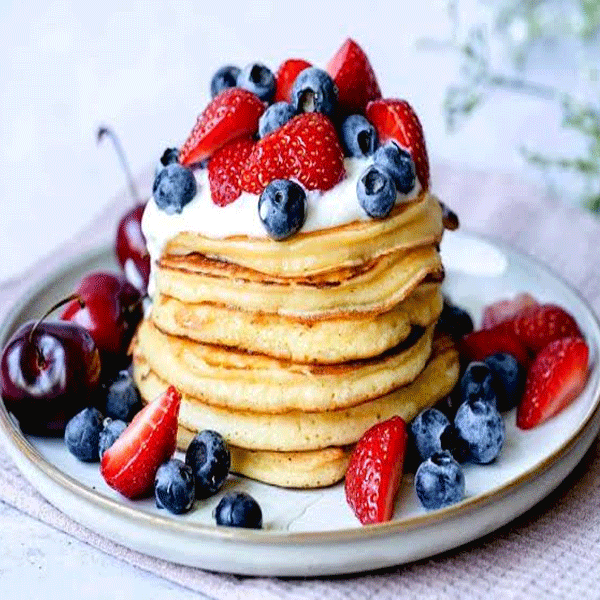
Master the art of the perfect breakfast with our professional guide to crafting ultra-fluffy, diner-style pancakes from scratch. We integrate expert sourcing insights with precise culinary techniques to ensure a superior texture and flavor profile in every batch. Elevate your cooking standards by applying these science-backed methods for consistent, gourmet-level results.
Forget the boxed mixes. There is a distinct, unmatched satisfaction in whipping up a batch of thick, cloud-like pancakes using ingredients you already have in your pantry. But if you’ve ever tried making pancakes from scratch only to end up with dense, rubbery discs, you know that the secret isn’t just in the ingredients—it’s in the technique.
After countless weekend mornings testing hydration levels, leavening agents, and pan temperatures, I’ve broken down exactly what makes a pancake truly fluffy. This guide goes beyond a simple list of measurements; we are going to explore the science of the batter so you can make informed decisions in the kitchen and get perfect results every single time.
The Science of Fluffiness: Why Most Homemade Pancakes Fall Flat
To achieve that diner-style lift, you are managing a delicate balance between two opposing forces: leavening (which creates air bubbles) and gluten (which creates structure, but can make things tough).
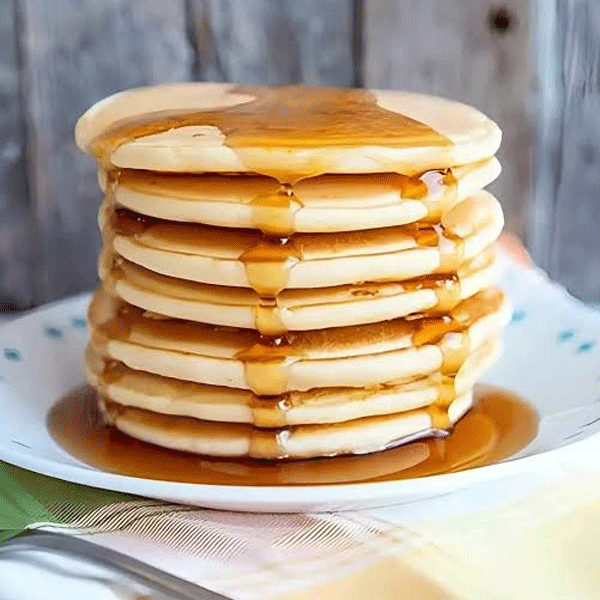
fluffy pancake recipe from scratch
When you mix flour with a liquid, gluten proteins begin to bond. If you mix the batter until it is perfectly smooth, you develop too much gluten. The result? A chewy, flat pancake. The golden rule of fluffy pancakes is to embrace the lumps. You only want to stir until the wet and dry ingredients just barely come together.
Additionally, your leavening agent is critical. We use baking powder in this recipe because it is double-acting: it reacts once when it hits the wet ingredients, and a second time when it hits the heat of the pan. If your baking powder has been sitting in the cupboard for over six months, it has likely lost its potency, and your pancakes won’t rise.
Ingredient Sourcing & Decision Making
| Ingredient Choice | The Effect on Your Pancakes | Best Used For… |
|---|---|---|
| Whole Milk (Standard) | Provides a classic, tender crumb and mild sweetness. Relies entirely on baking powder for the lift. | Everyday, standard fluffy pancakes. |
| Buttermilk | The acidity breaks down gluten (making them softer) and reacts with baking soda for an explosive, thick rise. | Thick, tangy, diner-style stacks. (Requires adding 1/2 tsp baking soda to the recipe). |
| Melted Butter (in batter) | Adds rich flavor and crisps up the edges beautifully from the inside out. | Maximum flavor and a rich, tender interior. |
| Vegetable Oil (in batter) | Keeps the pancakes incredibly moist, but lacks the depth of flavor that butter provides. | Dairy-free alternatives or ultra-moist textures. |
The Foolproof Fluffy Pancake Recipe
Yields: 6-8 medium pancakes
Prep time: 10 minutes | Cook time: 15 minutes
The Ingredients
1 ½ cups (190g) All-purpose flour
3 ½ teaspoons Baking powder (Ensure it is fresh!)
1 tablespoon Granulated sugar
¼ teaspoon Salt
1 ¼ cups (300ml) Whole milk (Room temperature is best)
1 large Egg
3 tablespoons (45g) Unsalted butter, melted and slightly cooled
Step-by-Step Instructions
Whisk the Dry Ingredients: In a large mixing bowl, thoroughly whisk together the flour, baking powder, sugar, and salt. This ensures the leavening agent is evenly distributed so you don’t get lopsided pancakes.
Combine the Wet Ingredients: In a separate medium bowl, whisk the milk, egg, melted butter, and vanilla extract until completely smooth.
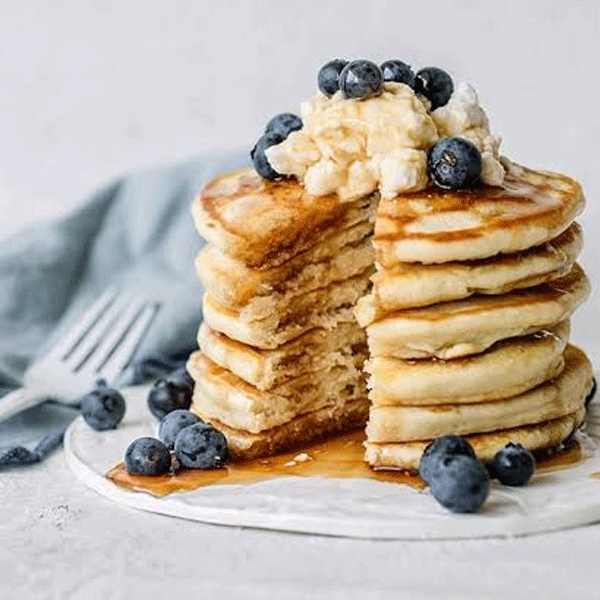
fluffy pancake recipe from scratch
The Crucial Mix: Pour the wet ingredients into the dry ingredients. Using a spatula or wooden spoon, gently fold them together. Stop mixing when you still see streaks of flour and plenty of lumps. (If you overmix here, your pancakes will be rubbery).
Let it Rest (The Secret Step): Let the batter sit undisturbed for 5 to 10 minutes. You will actually see the batter begin to swell and bubble. This allows the flour to hydrate and the baking powder to activate, guaranteeing maximum fluffiness.
Heat the Pan: Heat a non-stick skillet or cast-iron griddle over medium-low heat. Lightly grease it with butter or neutral oil. Wipe away the excess with a paper towel—too much fat in the pan creates a fried, blotchy surface rather than an even, golden-brown crust.
Pour and Cook: Pour ¼ cup of batter onto the skillet for each pancake. Let them cook until bubbles form on the surface, burst, and leave little open holes (about 2 to 3 minutes). The edges should look slightly matte and dry.
The Flip: Slide a wide spatula firmly under the pancake and flip it once. Cook for another 1 to 2 minutes until the bottom is golden brown. Never press down on the pancake with your spatula! Pressing squishes the air pockets you just worked so hard to create.
Records mentioned in this article
Frequently Asked Questions
Mixing the batter until it is perfectly smooth over-develops the gluten, resulting in tough, flat pancakes. Leaving lumps keeps them tender and fluffy.
Resting allows the flour to hydrate and gives the baking powder time to activate and create air bubbles, ensuring maximum lift.
The pan is too hot. You need to cook them on medium-low heat so the center has time to cook completely before the outside burns.