During the devastating 14th-century Black Death, desperate Europeans turned to saffron as a miracle cure, sparking fierce economic conflicts like the 1374 Saffron War. While it couldn’t defeat the bubonic plague, modern science reveals that its potent antioxidant and mood-elevating properties likely provided genuine symptomatic relief. Explore this fascinating intersection of medieval medicine and food culture to uncover how the world’s most expensive spice shaped history and human resilience.
Saffron at a Glance: Key Facts for Buyers & Businesses
| Category | Details |
|---|---|
| Botanical Name | Crocus sativus L. |
| Primary Origins | Iran (90%), Afghanistan, Spain, Kashmir (India), Greece |
| Active Compounds | Crocin (color), Picrocrocin (flavor), Safranal (aroma) |
| Grading Standards | ISO 3632 (Category I–III based on crocin, picrocrocin, safranal levels) |
| Common Grades | Sargol (all-red threads), Negin (premium long threads), Pushal (red + some yellow) |
| Retail Price Range (2026) | 8– 15/gram (premium), 500 – 500– 3,000/kg (bulk, B2B) |
| Key Quality Indicators | Deep red color, minimal yellow threads, strong aroma, moisture <12%, no additives |
| Shelf Life | 2–3 years (airtight, cool, dark storage) |
| Culinary Uses | Paella, risotto, Persian rice, desserts, teas |
| Health Benefits | Antioxidant, mood support, potential anti-inflammatory properties* |
| Buying Tips for Consumers | Buy threads (not powder), check ISO cert, test 2–3 threads in warm water |
| Sourcing Tips for Businesses | Request lab reports (ISO 3632), verify origin docs, sample before bulk orders |
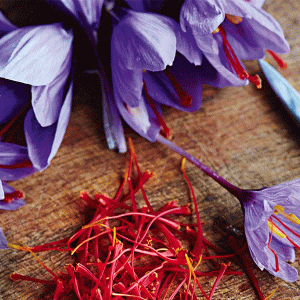
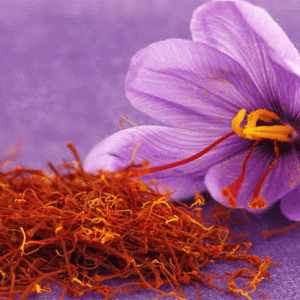
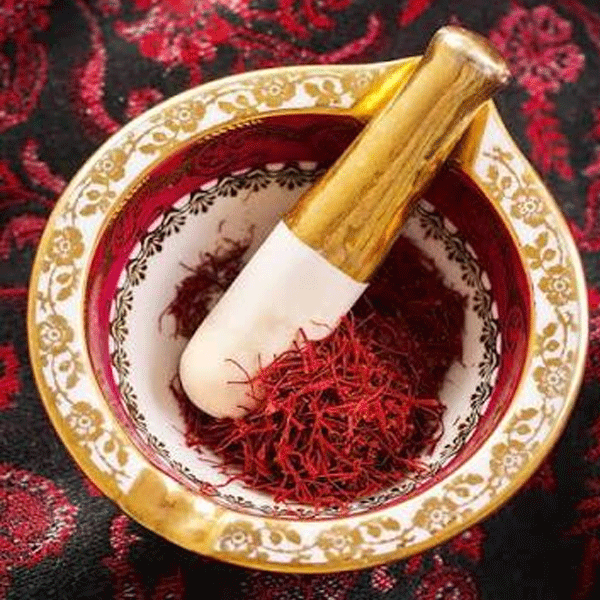
Saffron at a Glance: Key Facts for Buyers & Businesses. Origin, grades, 2026 prices, and purity checks — the essentials for both home and bulk saffron buyers, in one table. Columns: Category, Details. Botanical Name — Crocus sativus L.. Primary Origins — Iran (90%), Afghanistan, Spain, Kashmir (India), Greece. Active Compounds — Crocin (color), Picrocrocin (flavor), Safranal (aroma). Grading Standards — ISO 3632 (Category I–III based on crocin, picrocrocin, safranal levels). Common Grades — Sargol (all-red threads), Negin (premium long threads), Pushal (red + some yellow). Retail Price Range (2026) — 8– 15/gram (premium), 500 – 500– 3,000/kg (bulk, B2B). Key Quality Indicators — Deep red color, minimal yellow threads, strong aroma, moisture <12%, no additives. Shelf Life — 2–3 years (airtight, cool, dark storage).
Imagine living in mid-14th century Europe. The bubonic plague—the Black Death—is sweeping through your city, wiping out up to half the population. Medical science as we know it doesn’t exist. Out of sheer desperation, doctors and the wealthy elite turn to the most expensive, mystical substance they can find to ward off the pestilence: Saffron.
But did people actually use this crimson spice to treat the Black Death? And more importantly, did it work?
At OriginAndSource.com, we spend our days tracing the global origins, historical legacy, and modern supply chains of premium products. The story of saffron during the Middle Ages isn’t just a quirky footnote in food culture; it’s a fascinating look at how desperation, economics, and ancient medicine collided.
Let’s look at the reality behind saffron’s role as a medieval plague cure, how it shaped trade, and what modern science says about the “red gold” today.
The Desperate Search for a Cure: Why Saffron?
During the Middle Ages, medical practice was dominated by the Greek theory of “humors.” Health was believed to be a balance of four bodily fluids: blood, yellow bile, black bile, and phlegm. The plague was thought to be a disease of “bad air” (miasma) that caused a dangerous imbalance, usually characterized as excessively cold and wet.
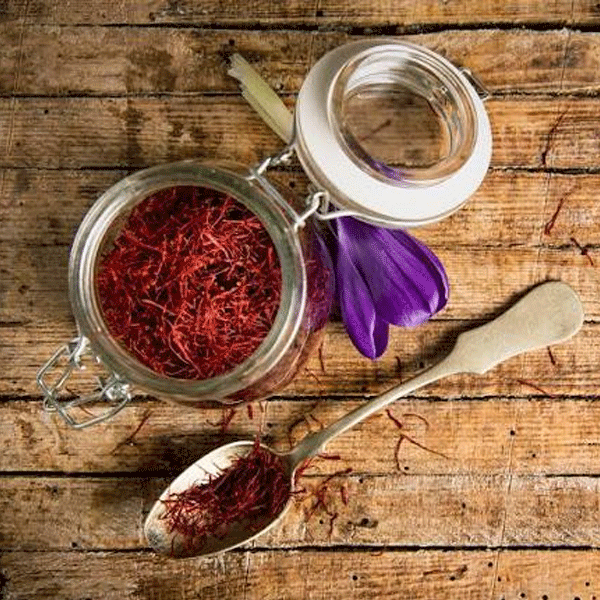
Saffron Middle Ages
Saffron, according to medieval physicians, was categorized in the extreme as “hot and dry.”
Because of this classification, doctors prescribed saffron to dry up the weeping buboes (swollen lymph nodes) and counteract the foul air associated with the plague. It was used in several ways:
Aromatherapy: Worn in small pouches around the neck, often mixed with garlic and other potent herbs, to create a fragrant barrier against miasma.
Potions and Elixirs: Steeped in wine or vinegar and consumed by the wealthy to “strengthen the heart” and purify the blood.
Culinary Medicine: Integrated heavily into the daily food culture of the nobility. During the plague years, medieval recipes show a massive spike in saffron usage. It wasn’t just for flavor or color; it was considered an active pharmaceutical ingredient.
The “Saffron War” of 1374
To understand how seriously people took saffron as a plague treatment, you only need to look at the Saffron War (Der Safranerkrieg).
By the late 14th century, the plague had caused massive labor shortages, driving the price of saffron to astronomical heights. In 1374, a 800-pound shipment of premium saffron—intended for plague victims and wealthy buyers—was hijacked by a nobleman near Basel, Switzerland. The theft of this plague “medicine” sparked an actual, violent conflict that lasted for months. It proves that in the Middle Ages, saffron was viewed with the same life-or-death urgency as modern vaccines are today.
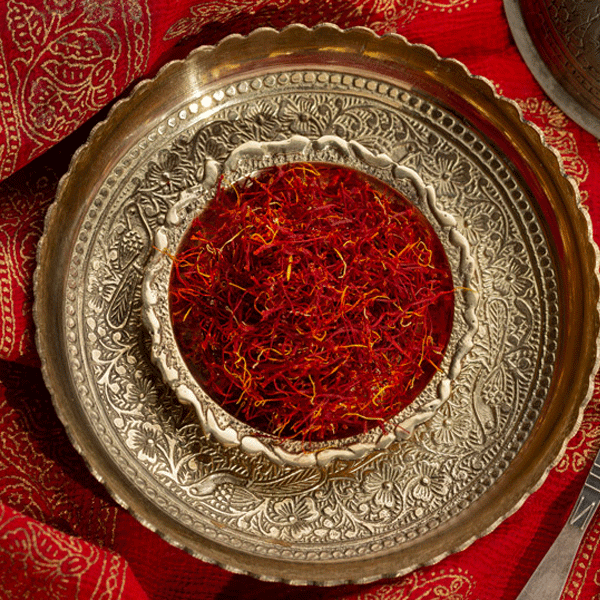
Saffron Middle Ages
Did Saffron Actually Treat the Black Death? (The Reality)
The short answer is no. Saffron did not cure the bacteria Yersinia pestis responsible for the Black Death.
However, we have to view this through a historical lens rather than dismissing it entirely. While it couldn’t stop the plague, saffron likely offered some secondary, symptomatic relief that made people believe it was working:
Mood Elevation: Saffron is scientifically proven today to have mild antidepressant properties. In a time of unimaginable grief and fear, a spice that slightly elevated mood was seen as miraculous.
Antioxidant Properties: Crocin and safranal, the main active compounds in saffron, reduce inflammation. This might have provided minor relief for secondary infections or fevers.
The Placebo Effect: Because it was so staggeringly expensive, patients believed deeply in its efficacy. The psychological comfort of receiving the “best medicine money could buy” shouldn’t be underestimated.
Saffron Culture and Facts: A journey through time to explore the myths, true origins, and hidden value of the world’s most precious spice.
Medieval Beliefs vs. Modern Science
| Medieval Plague Claim | The Medical Logic of the Time | Modern Scientific Verdict |
|---|---|---|
| Purifies “bad air” (Miasma) | Strong aroma blocks the inhalation of disease. | False. Diseases are caused by pathogens, not smells. However, the aroma contains safranal, which is mildly relaxing. |
| Cures the Black Death | “Hot and dry” properties neutralize the “cold and wet” plague humors. | False. Saffron cannot cure bacterial infections like Yersinia pestis. Antibiotics are required. |
| Strengthens the heart and spirit | Counteracts the intense melancholy and despair of the era. | True (Partially). Modern studies confirm saffron extracts are effective in managing mild to moderate depression. |
| Reduces fever and swelling | Dries up the bodily fluids causing buboes. | True (Contextually). High levels of antioxidants (Crocin) provide measurable anti-inflammatory benefits. |
Although biologically ineffective against the Yersinia pestis bacterium, the spice offered measurable psychological and physical comfort through its natural antidepressant qualities.
Records mentioned in this article
Frequently Asked Questions
It came down to a devastating combination of supply chain collapse and labor intensity. Saffron requires the hand-picking of thousands of tiny crocus stigmas. When the plague wiped out the agricultural workforce in Europe and along the Silk Road, production plummeted. Simultaneously, demand skyrocketed because doctors were prescribing it as a cure. High demand plus zero labor meant the price eclipsed gold.
No. Saffron was entirely out of reach for the peasant class. Lower classes relied on cheaper, locally grown “hot” herbs like garlic, onions, and rue. Interestingly, because the wealthy were buying up all the saffron and still dying in droves, it became apparent over time that wealth—and saffron—could not buy immunity from the Black Death.
The medieval obsession with saffron established the major European growing regions, particularly in Spain (La Mancha) and Italy (Abruzzo). The rigorous quality standards and trade routes established during those centuries laid the groundwork for today’s ISO 3632 quality grading system. When we at OriginAndSource evaluate saffron suppliers today, we are looking at trade networks that literally survived the plague.