Understanding the anatomy of the saffron flower—from the valuable red stigma to the low-value yellow style—is essential for accurately grading the spice and ensuring maximum ROI on bulk purchases. By recognizing these structural differences, buyers can confidently navigate the market and avoid paying premium prices for filler weight. If you are looking to secure high-grade, pure-stigma saffron for your business, reach out to our trade network today to discuss bulk sourcing and rigorous quality standards.
When you look at a pile of premium saffron threads, it is easy to forget that each crimson strand was once meticulously hand-plucked from a delicate purple bloom. Understanding the anatomy of the saffron flower (Crocus sativus) isn’t just a botany lesson; it is a critical skill for anyone involved in the culinary arts, agricultural sourcing, or the spice trade.
Knowing exactly how the flower is structured directly influences how you evaluate saffron grades, understand harvesting costs, and make informed purchasing decisions. Let’s break down the physical structure of the world’s most expensive spice from the ground up.
The Core Components of the Saffron Bloom
To truly evaluate the quality of saffron, you need to understand the distinct parts of the flower and the role each plays in the final product.
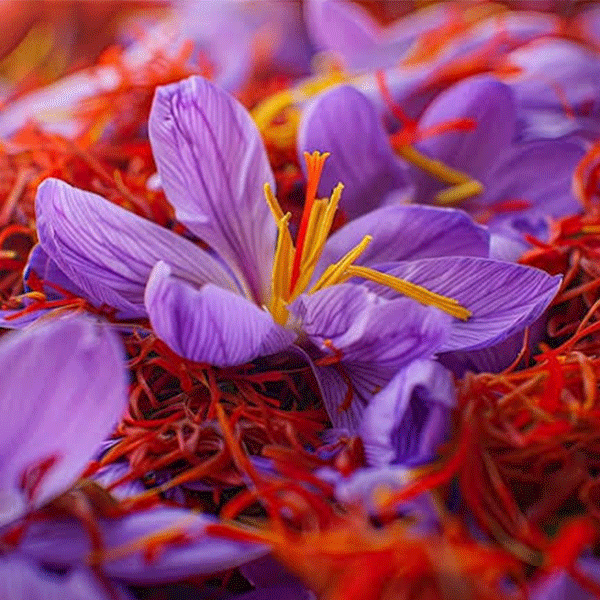
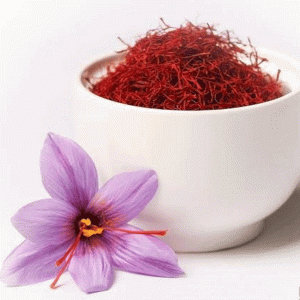
Saffron flower anatomy
1. The Stigma (The Red Gold)
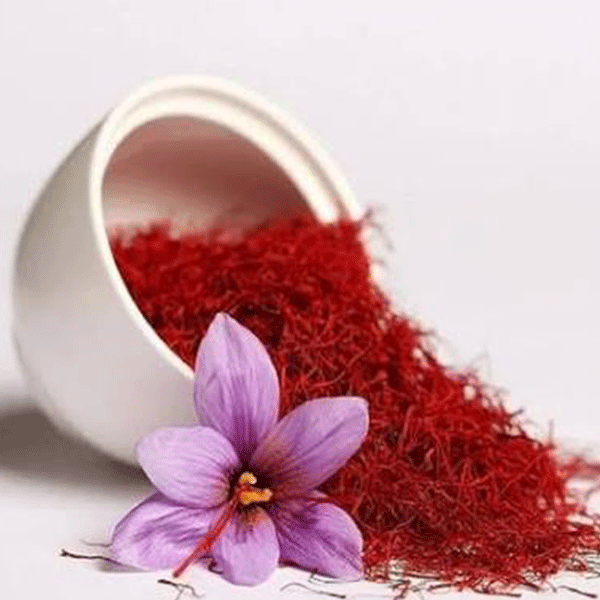
This is the prize. Each saffron flower produces exactly three vibrant red stigmas. These thread-like structures act as the female reproductive part of the flower, designed to catch pollen. In the spice trade, the stigma contains the highest concentration of crocin (color), picrocrocin (flavor), and safranal (aroma). When you buy premium “Negin” or “Sargol” saffron, you are paying exclusively for the pure, unattached tips of these red stigmas.
2. The Style (The Connector)
The stigmas do not just float in the flower; they are attached to a central, pale-yellow or white tube called the style. The style connects the stigmas to the base of the flower. While it contains trace amounts of aroma, it holds virtually no coloring power or culinary value. Saffron grades like “Pushal” or “Bunch” (Dasteh) include part of the style, which adds weight but lowers the overall potency per gram.
3. The Petals and Sepals (Tepals)
The distinct, vivid violet petals are what make a saffron field so breathtaking in late autumn. A single bloom has six tepals (three petals and three sepals that look identical). While traditionally discarded after the stigmas are extracted, modern agricultural research has found that these petals are rich in antioxidants and are increasingly being repurposed for herbal teas, cosmetics, and natural dyes.

Saffron flower anatomy
4. The Stamens
These are the three short, yellow, pollen-bearing structures (the male reproductive parts) located inside the bloom. They have no value in the spice trade and are carefully avoided during the delicate separation process to prevent contamination of the red stigmas.
5. The Corm (The Underground Foundation)
While not part of the visible flower, the corm (a bulb-like tuber) is the engine of the plant. Saffron is sterile and cannot be grown from seeds; it multiplies entirely through the splitting and replanting of underground corms. A healthy, mature corm is the prerequisite for a robust flower and thick, potent stigmas.
Saffron Culture & Facts: History saffron
Stigma vs. Style: The Quality Comparison
| Feature | Stigma (Red Thread) | Style (Yellow/White Base) |
|---|---|---|
| Coloring Power (Crocin) | Extremely High | Negligible to Zero |
| Culinary Value | Premium (The actual spice) | Low (Considered filler) |
| Saffron Grade | Super Negin, Negin, Sargol | Included in Pushal, Bunch |
| Purchasing Decision | Ideal for high-end retail and culinary use. | Avoid if looking for maximum potency per gram. |
How Anatomy Dictates Your Purchasing Decisions
Understanding the anatomy of Crocus sativus directly impacts how you buy wholesale saffron. When a supplier offers you a lower price, look closely at the threads. Are you seeing long, thick, all-red stigmas (indicating careful harvesting of only the premium anatomy)? Or are you seeing a high percentage of yellow/white styles attached to the base?
Because the style adds dead weight, paying a lower price for saffron that includes the style often means you are actually paying more for the usable red stigma. For B2B buyers and commercial kitchens, investing in pure stigma (Negin or Sargol) ensures you yield the highest color and flavor extraction, minimizing waste.
Records mentioned in this article
Frequently Asked Questions
The high cost is due to the flower’s anatomy. Each flower produces only three tiny stigmas, and they must be delicately hand-picked before the sun damages them. It takes roughly 150,000 to 170,000 flowers to produce just one kilogram of pure dried saffron.
Yes. While they are not used as the traditional saffron spice, the purple petals are edible, rich in antioxidants, and are increasingly dried and sold as a mild, floral herbal tea.
The red part is the stigma (the actual spice containing flavor and color). The yellow part is the style, the floral tube that connects the stigma to the flower base, which offers no culinary value and merely adds weight.