Saffron’s sacred hue symbolizes purity, spiritual awakening, and the renunciation of material desires in both Hinduism and Buddhism. Leverage this deep cultural psychology to elevate your global brand positioning, and reach out today for authentic saffron sourcing and premium B2B agricultural solutions.
In my years of exploring the deep cultural roots of agricultural treasures and working closely with premium saffron markets, I’ve realized that saffron is far more than the world’s most expensive spice. Long before it became a prized commodity in global trade, the color saffron held a profound spiritual weight.
When you travel through India or Southeast Asia, the vibrant orange-yellow hue is inescapable. You see it on the robes of Buddhist monks, adorning Hindu temples, and worn by sadhus (holy men). But why did this specific shade become the ultimate symbol of purity and renunciation? Let’s dive into the history, psychology, and spiritual symbolism of the saffron color in Eastern philosophies.
The Spiritual Meaning of Saffron in Hinduism
In Hinduism, saffron (often referred to as Bhagwa) is arguably the most sacred color. It represents fire, and fire is the ultimate purifying element.
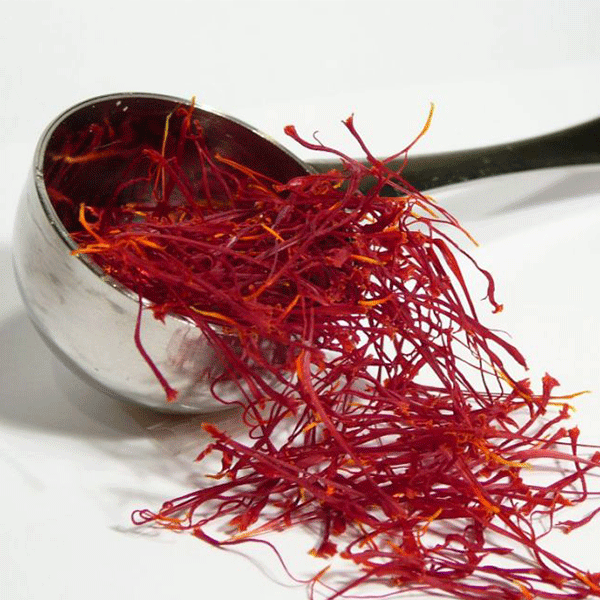
Saffron color symbolism
1. The Connection to Agni (The Fire God)
Historically, the Vedic sages revered Agni, the god of fire. Fire consumes everything and leaves behind only pure ashes. When a Hindu sage or ascetic wears saffron, they are essentially wearing the color of fire. It signals to the world that they have metaphorically “burned” away their worldly desires, ego, and material attachments.
2. The Quest for Light and Truth
The color also symbolizes the quest for light. Just as the rising sun dispels the darkness of the night, saffron represents the awakening of the mind and the dispelling of ignorance. It is the color of supreme enlightenment and spiritual purity.
Why Buddhist Monks Wear Saffron Robes
If you look at Buddhism, the narrative shifts slightly but maintains the core theme of renunciation. When Siddhartha Gautama (the Buddha) left his palace to seek enlightenment, he discarded his royal garments.
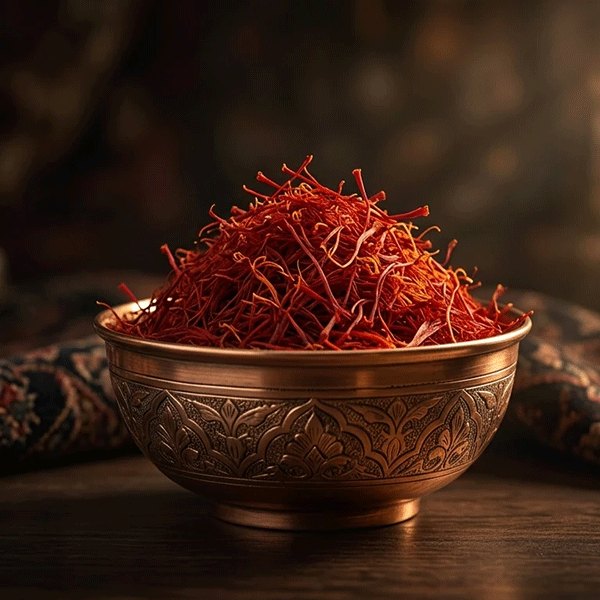
Saffron color symbolism
1. The Robes of Humility
Early Buddhist monks made their robes from discarded rags found in rubbish heaps or cremation grounds. To sanitize and dye these garments, they boiled them with natural dyes made from roots, tubers, tree bark, and flowers—often resulting in a dull orange or saffron color. Today, wearing the saffron robe (the Kasaya) is a reminder of this humble beginning.
2. Illumination and Letting Go
In Buddhist color psychology, saffron represents illumination and the highest state of perfection. It is a visual cue of a monk’s commitment to the Middle Way, reminding them constantly to let go of materialistic cravings.
Saffron Culture & Facts: Saffron color symbolism
Saffron Symbolism in Hinduism vs. Buddhism
| Aspect | Hinduism | Buddhism |
|---|---|---|
| Primary Symbolism | Fire, purity, and the burning of the ego. | Humility, illumination, and detachment from wealth. |
| Historical Origin | The sacred fire of Agni in Vedic traditions. | Natural dyes used on discarded rags by early monks. |
| Who Wears It? | Sadhus, swamis, and those who have renounced the world. | Ordained monks and nuns as part of their daily habit. |
| Modern Context | Seen in temple flags, religious ceremonies, and political/cultural identity. | The universal uniform of the Theravada Buddhist monastic order. |
Understanding the sacred symbolism of saffron reveals a profound cultural narrative of purity, illumination, and the burning away of materialism. Whether you are studying ancient philosophies or exploring the rich history behind agricultural commodities, this golden hue tells a story of transformation.
Records mentioned in this article

Frequently Asked Questions
Spiritually, saffron represents a state of supreme purity, the burning away of material desires, and the dawn of enlightenment. It bridges the gap between the physical world and spiritual awakening.
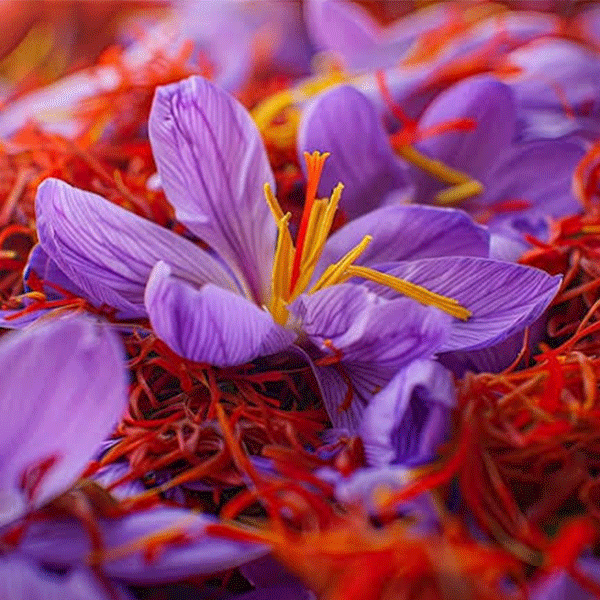
This is a fascinating contrast. The color saffron used by early monks was derived from cheap, easily accessible natural barks and roots, not from the actual saffron spice (Crocus sativus). The spice itself is expensive because it requires immense manual labor to harvest the tiny crimson stigmas. Today, the term “saffron robes” refers to the color, not the fabric dye’s origin.
In Western contexts, saffron and deep orange evoke warmth, energy, and luxury. In Eastern contexts, it signals trust, spiritual depth, and ethical purity. Businesses looking to bridge Eastern and Western markets must understand this duality to communicate their brand values effectively.