Elevate your culinary portfolio with the definitive guide to Persian Saffron Rice, focusing on technical precision and premium ingredient sourcing. From the “Ice-Cube” saffron extraction to the thermodynamics of a perfect Tahdig, this resource serves as a benchmark for authentic Middle Eastern gastronomy. For professional-grade saffron sourcing or bespoke content strategies in the agri-trade sector, connect with our lead generation specialists.
I’ve spent years working closely with premium saffron, and I can tell you that the difference between a mediocre rice dish and an unforgettable one comes down to two things: how you treat the grain and how you bloom the saffron. You cannot rush this process. It is about sight, sound, and smell. The steam escaping the pot, the distinct crackle of the Tahdig forming at the bottom, and the earthy, floral aroma of real saffron filling the room are your true timers.
Choosing Your Tools and Ingredients
Here is a breakdown of the decisions you need to make before turning on the stove.
1. The Rice: Basmati vs. Jasmine vs. Parboiled
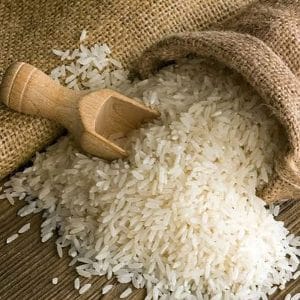
Aged Long-Grain Basmati: This is the absolute requirement. Aged basmati contains less moisture, allowing the grains to separate beautifully and elongate during the boiling process without turning to mush.
Jasmine: Too sticky. It will clump and ruin the fluffy texture required for Persian rice.
Parboiled: Lacks the authentic aroma and texture. Avoid it for this specific dish.
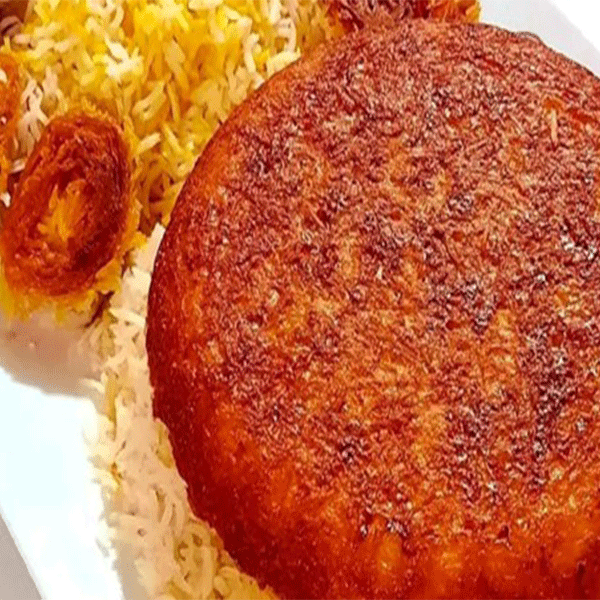
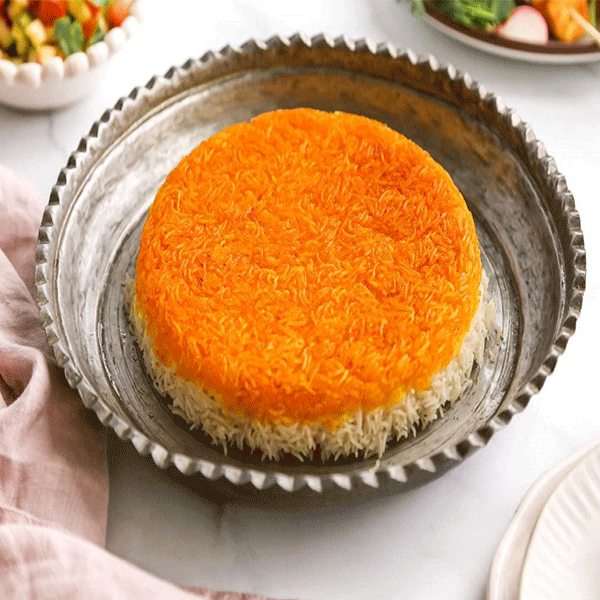
Authentic Persian saffron rice
2. The Pot: Non-Stick vs. Stainless Steel
Teflon/Non-Stick: The best choice for beginners and pros alike when making Tahdig. It ensures the crust releases perfectly in one solid piece.
Stainless Steel/Cast Iron: Traditional but risky. They require precise temperature control and plenty of oil to prevent the Tahdig from permanently fusing to the bottom.
3. The Saffron: Powdering and Blooming
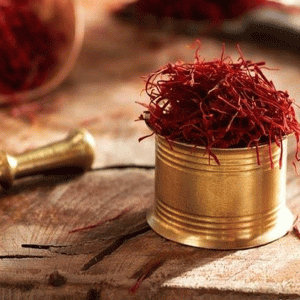
Never toss raw saffron threads directly into your food. You must grind them with a pinch of sugar (acting as an abrasive) and bloom them. You can bloom using hot water or the ice-cube method. I prefer the ice-cube method—letting the ice melt over the crushed saffron extracts a deeper, more vibrant color and preserves the delicate volatile oils.
Saffron Culinary Arts: Authentic and Delicious Recipes
Ingredients List
| Ingredient | Quantity | Purpose |
|---|---|---|
| Aged Basmati Rice | 3 Cups | The foundation; yields fluffy, separated grains. |
| Premium Saffron Threads | 1/4 Teaspoon | Provides the signature aroma, flavor, and golden color. |
| Salt (Kosher or Sea Salt) | 3 Tablespoons | For the parboiling water (most will be rinsed away). |
| Cooking Oil or Ghee | 1/4 Cup | Essential for frying the Tahdig at the bottom of the pot. |
| Unsalted Butter | 2 Tablespoons | Poured over the rice for richness and moisture during steaming. |
Step-by-Step Multi-Stage Cooking Process
Phase 1: Washing and Soaking (The Crucial First Step)
Wash the rice in cold water at least 4 to 5 times until the water runs completely clear. This removes surface starch, preventing a gummy texture. Soak the washed rice in cold water heavily seasoned with salt for at least 1 hour (up to 3 hours).
Phase 2: Parboiling (Chelo)
Bring a large pot of water to a rolling boil.
Drain your soaked rice and add it to the boiling water.
Boil briskly for roughly 5 to 7 minutes. The Test: Take a grain and bite it. It should be soft on the outside but still have a firm, white dot in the center.
Immediately drain the rice into a fine-mesh colander and rinse gently with warm water to stop the cooking process and wash away excess salt.
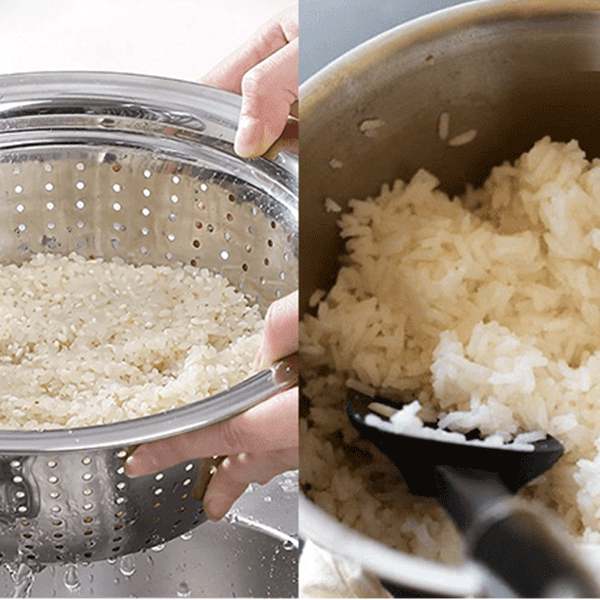
Authentic Persian saffron rice
Phase 3: Building the Tahdig and Steaming (Dam Kardan)
In your non-stick pot, heat the oil over medium-high heat. Add a splash of your bloomed saffron water to the oil.
Mix 1 cup of the parboiled rice with a bit more bloomed saffron and press it firmly and evenly into the bottom of the pot. This is your Tahdig layer.
Gently scoop the remaining white rice into the pot, forming a pyramid shape. Poke 3 or 4 holes down through the rice to the bottom using the handle of a wooden spoon. This allows steam to escape.
Pour the melted butter over the rice pyramid.
Cover the pot lid with a clean kitchen towel (to catch condensation so it doesn’t drip back and make the rice soggy) and place it tightly on the pot.
Cook on medium-high for 5 minutes until you hear a solid crackling sound, then drop the heat to the absolute lowest setting. Let it steam for 45 minutes.
Records mentioned in this article
Frequently Asked Questions
Yes. In step 3 of Phase 3, instead of mixing rice with saffron, simply lay thinly sliced russet potatoes or flatbread (like Lavash) in the saffron-infused oil at the bottom of the pot before adding the parboiled white rice on top.
This usually happens for three reasons: skipping the washing/soaking phase, over-boiling the rice during the parboiling phase, or not using a towel on the lid, which allows steam condensation to fall back into the rice.
When the cooking is done, fill your sink with an inch of cold water. Take the hot pot and set the bottom into the cold water for 30 seconds. The shock of the temperature change helps release the crispy crust from the bottom of the pan, allowing for a flawless flip onto your serving platter.