If you only know cinnamon from rolls, cookies and apple pie, a pot of lamb stew with a cinnamon stick in it can sound odd. In many kitchens, though, cinnamon is a main spice in the savoury dish, not a dessert ingredient. It works the way black pepper or cumin does: it adds warmth and depth, and it rounds out sharp or rich flavours.
This guide covers three food cultures, Persian, Moroccan and Mexican, with specific dishes and techniques you can use tonight. I’ve avoided historical claims I can’t source, so the focus stays on cooking.
Why cinnamon works in savoury food
Cinnamon is warm and slightly sweet, but it also has a woody, almost peppery edge. In a savoury dish, that edge does three jobs:
It softens acidity. Tomatoes, pomegranate, dried limes and tamarind taste rounder with a little cinnamon.
It balances richness. Fatty meats like lamb, goat and duck taste less heavy.
It adds aroma without heat. You get complexity without more chilli.
The rule that matters most: use it quietly. If someone says “I taste cinnamon” in a stew, you’ve probably used too much. The goal is “something smells wonderful, but I can’t name it.”
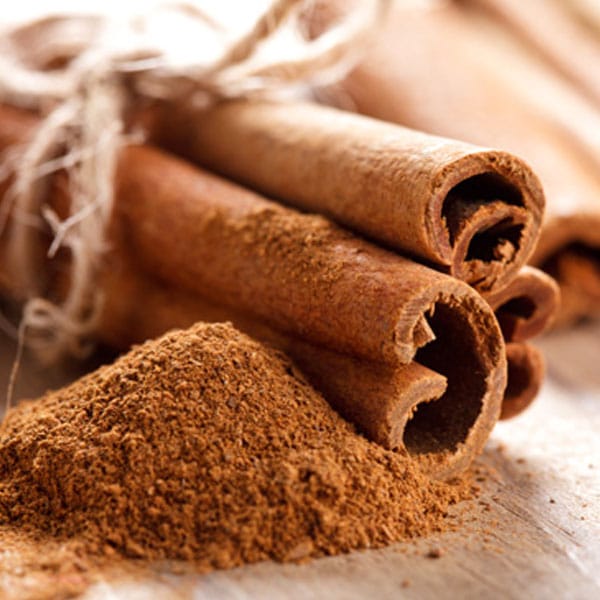
cinnamon in savoury dishes
Persia: warmth in stews and rice
Persian cooking uses cinnamon as part of a balanced, gently spiced flavour profile rather than as a headline spice.
Where you’ll find it
Advieh, the Persian spice blend. Recipes vary by family and region, but cinnamon commonly appears alongside cardamom, rose petals, cumin and others.
Khoresh (stews), especially those pairing meat with fruit or sour elements. Cinnamon bridges the meat and the tartness.
Rice dishes layered with meat, dried fruit, lentils or carrots, where a pinch of cinnamon gives the rice a perfumed finish.
How to use it at home
Brown your onions slowly in oil or butter until deeply golden.
Add turmeric and a small pinch of ground cinnamon, about ¼ teaspoon for a pot serving four to six.
Add your meat and liquid, and finish with something sour such as dried lime, pomegranate molasses or lemon juice.
Taste at the end. If the stew tastes flat, add acid before adding more spice.
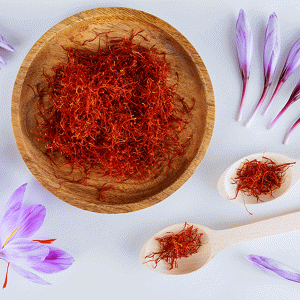
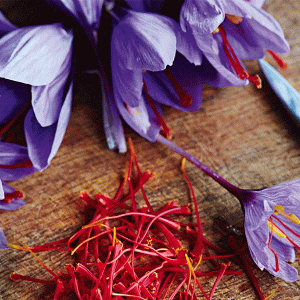
Practical tip: For rice, mix a pinch of cinnamon with a little saffron water and drizzle it over the top layer before steaming. You get fragrance without muddying the rice.
Morocco: tagines, spice blends and sweet-savoury contrast
Moroccan cooking is known for pairing sweet and savoury, and cinnamon is one of the main tools for doing it.
Where you’ll find it
Tagines of lamb, chicken or beef, often cooked with dried fruit such as prunes or apricots, onions and almonds. Cinnamon ties the fruit to the meat.
Ras el hanout, a blend whose recipe varies widely between spice sellers. Many versions include cinnamon.
Pastilla (bastilla), a layered pastry with spiced meat or seafood, traditionally finished with a dusting of cinnamon and sugar.
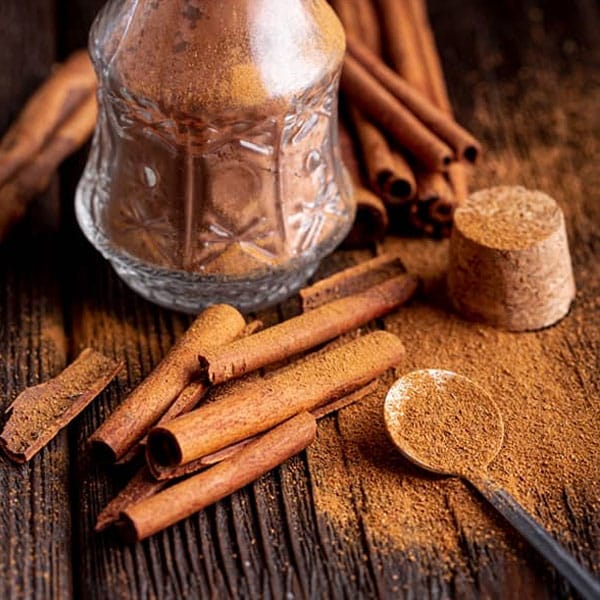
cinnamon in savoury dishes
How to use it at home
Use whole sticks in slow-cooked tagines. They release flavour gradually over the long cook.
Combine cinnamon with ginger, turmeric, black pepper and saffron for a classic Moroccan-style base.
Pair cinnamon with something sweet and something sharp: honey or dried fruit, then preserved lemon or fresh lemon juice at the end.
Practical tip: Add dried fruit in the last 30 to 40 minutes. If it goes in too early, it dissolves and makes the sauce cloying. Fish out the cinnamon stick before serving so no one bites into it.
Mexico: canela, mole and everyday cooking
Mexican cooking uses cinnamon, known as canela, widely in savoury food. One detail helps here: the cinnamon sold as canela in Mexico is typically Ceylon-type cinnamon (Cinnamomum verum), which is softer, more brittle and more delicate than the harder, spicier cassia found in many supermarkets elsewhere.
Where you’ll find it
Mole, the rich, complex sauces built from chillies, nuts, seeds and spices. Many mole recipes include cinnamon as one layer among many.
Picadillo, a savoury minced-meat dish that often combines tomato, dried fruit or olives and warm spices.
Rice, beans and braises, where a single stick can sit in the pot as quiet background flavour.
How to use it at home
Toast a small piece of cinnamon stick lightly in a dry pan until fragrant, then grind it with dried chillies for a quick sauce base.
If you can only find cassia, use about half the amount a recipe calls for with canela, then taste.
Pair cinnamon with smoky, bitter or fruity chillies such as ancho, guajillo or pasilla. They complement cinnamon’s warmth well.
Practical tip: Mole tastes better the next day. If you make one, let it rest overnight so the spices blend.
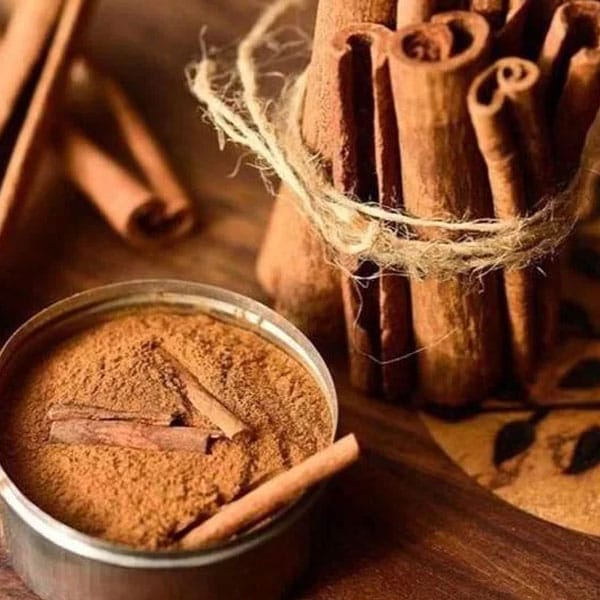
cinnamon in savoury dishes
Five techniques for cooking with cinnamon
Bloom it in fat. Warm oil or butter pulls out cinnamon’s aroma compounds. Add it with your onions, not at the end.
Start small. Begin with a pinch of ground cinnamon or one small stick per pot, and adjust after tasting.
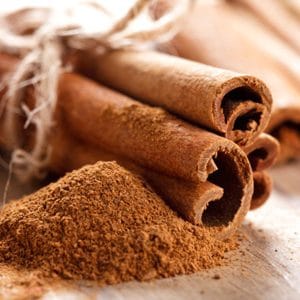
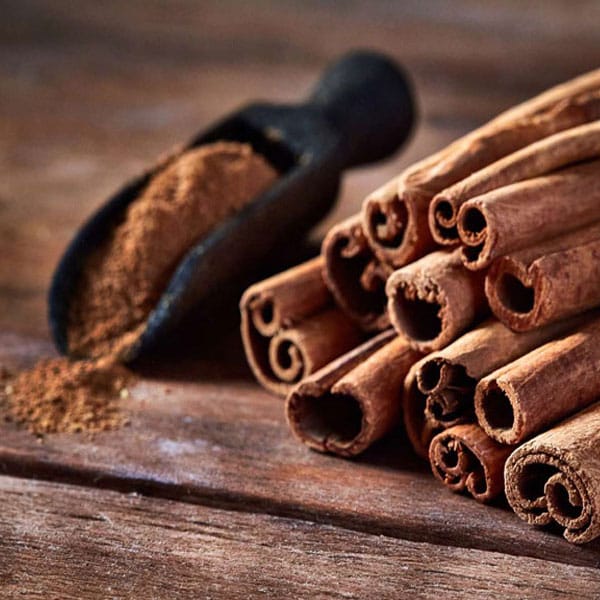
Use whole sticks for long cooks, ground for quick ones. Sticks work in stews and braises, and ground cinnamon works in sauces and rubs.
Balance it. Add acid (lemon, tomato, vinegar), salt or heat if the dish tastes sweet or perfumed.
Remove the stick before serving. It’s woody and unpleasant to chew.
Common mistakes to avoid
Using too much. This is the most common error, and it makes a savoury dish taste like dessert.
Using stale ground cinnamon. If it smells faint, it will taste faint. Replace it every six to twelve months.
Adding it only at the end. Cinnamon needs time and heat to blend into a savoury base.
Skipping the acid. Without something sharp, warm spices can make a dish heavy.
Quick starter ideas
Weeknight rice: Add one small cinnamon stick and a few cardamom pods to the pot when cooking basmati.
Simple chicken stew: Onion, garlic, turmeric, ginger, a cinnamon stick, chickpeas, and lemon at the end.
Beef or lamb rub: Mix cumin, paprika, salt, pepper and a small pinch of cinnamon.
Tomato sauce: A tiny pinch of cinnamon rounds out the acidity and makes the sauce taste slow-cooked.
For most home cooks, either works. Use less of the stronger one, and buy whole sticks when you can. They keep their aroma much longer than the ground spice. To learn where cinnamon comes from and how the different types are produced, see the cinnamon record.
If you want to explore cinnamon’s classic role in baking, read the sweet side.
Records mentioned in this article
-
 🇱🇰 Sri Lanka
Verified
CinnamonOne name, five trees — and the cheap one outsells the real one ninety-nine to one
Smallholder bark peelers of the southwestern wet zone
Open the record
🇱🇰 Sri Lanka
Verified
CinnamonOne name, five trees — and the cheap one outsells the real one ninety-nine to one
Smallholder bark peelers of the southwestern wet zone
Open the record
-
 🇮🇳 India
Verified
Black Pepper
Indian spice farmers
Open the record
🇮🇳 India
Verified
Black Pepper
Indian spice farmers
Open the record
-
 🇨🇳 China
RiceThe story behind every grain
Early Chinese farmers
Open the record
🇨🇳 China
RiceThe story behind every grain
Early Chinese farmers
Open the record
Frequently Asked Questions
Yes. Persian, Moroccan and Mexican cooks all use it in meat, rice and sauce dishes.
For four to six servings, start with one small stick or about ¼ teaspoon of ground cinnamon, then taste.
Yes. It's usually cassia, so use a little less than a recipe written for Ceylon cinnamon.