Editor’s pick
🇮🇷 Iran
food
Saffron
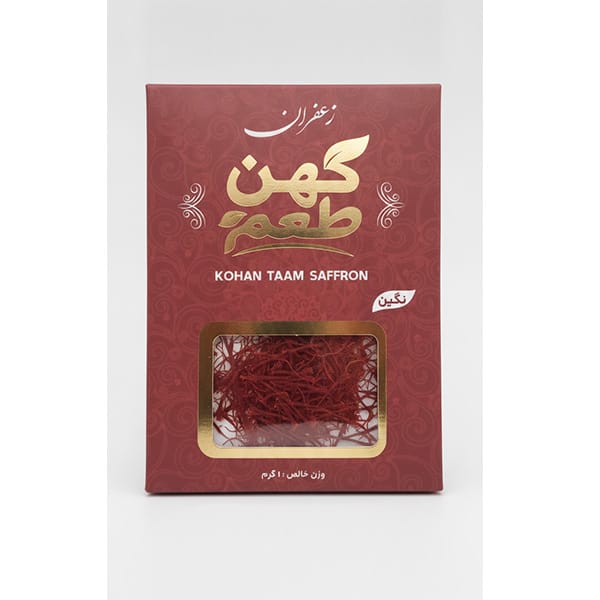
The dried stigmas of a sterile autumn crocus, hand-picked at roughly 440,000 threads to the kilogram.
Compare Saffron (Iran) and Rice (China) side by side — origin, maker, price, materials and what the difference actually means.
The dried stigmas of a sterile autumn crocus, hand-picked at roughly 440,000 threads to the kilogram.

The story behind every grain
| Field | Saffron | Rice |
|---|---|---|
| Country | Iran | China |
| Type | food | food |
| Maker | — | Early Chinese farmers |
| Region | Khorasan, Iran | Yangtze River Valley, China |
| Made since | Cultivated since at least the 7th century BC | Around 7000 BC |
| Verified record | Yes | No |
| Market trend | $934/kg (−33.6% since 2016) | — |
| Source | Plants of the World Online, Royal Botanic Gardens, Kew | China, India, Indonesia, Bangladesh, Vietnam |
Saffron is the dried crimson stigma of Crocus sativus, a plant that cannot reproduce without human hands. Around 440,000 stigmas make one kilogram, every one of them picked by hand during a few October mornings, which is why it has been the world's most expensive spice for most of recorded history. Iran produces around 90 per cent of the global crop, most of it in Khorasan.
Rice was domesticated from a wild grass along China’s Yangtze River and gradually spread across Asia as farming communities moved